Table of contents
Selecting the right equipment for landscape management can dramatically impact the efficiency and results of any outdoor project. The debate between mulchers and chippers is both common and critical, with each tool offering unique advantages for handling yard waste and maintaining healthy grounds. Discover the foundational differences and expert tips that will help you make a confident, informed decision in the paragraphs ahead.
Understanding mulchers and their functions
A mulcher is a specialized device designed for transforming yard waste such as leaves, grass clippings, and small branches into nutrient-rich mulch, playing a vital role in landscape management. By using a mulching mechanism, which typically involves high-speed rotating blades or hammers, the machine shreds organic material into fine particles. These particles form mulch, which helps retain soil moisture, suppress weeds, and gradually release nutrients as it decomposes, directly contributing to soil enhancement. The mulching mechanism's efficiency determines the quality and texture of the produced mulch, making it crucial for sustainability and optimal landscape management.
There are several types of mulchers available, each tailored to different needs within landscape management. Electric and gas-powered mulchers are common for residential use, ideal for handling moderate volumes of yard waste. Larger, tow-behind or PTO-driven mulchers cater to commercial operations or significant properties with heavier debris. Mulchers are most effective in scenarios requiring rapid disposal and recycling of plant material, especially after pruning, leaf fall, or mowing. By converting waste into mulch on-site, these devices reduce landfill contributions and cut down on the need for synthetic fertilizers, supporting a more sustainable and environmentally responsible approach to landscaping and soil health.
Chippers: breaking down large debris
Wood chippers are specialized machines engineered for processing substantial tree branches and dense, woody landscape debris. Their design allows them to handle materials that would overwhelm standard shredders, making them ideal for property owners managing mature trees or after major storm clean-ups. The chipping process relies on powerful, rotating blades that slice wood into uniform chips, a method distinct from shredding, which typically involves tearing softer, smaller yard waste into finer mulch. This mechanical difference enables chippers to efficiently transform large, tough branches into useful wood chip mulch, which can be repurposed for paths or garden beds.
Chippers excel in scenarios where bulk reduction of thick limbs or extensive landscape debris is necessary, such as after pruning sessions, land clearing, or when disposing of storm-damaged trees. Unlike shredders, which are better suited for softer plant matter, wood chippers tackle hard, fibrous branches quickly and consistently. The resulting chips are not only easier to transport and dispose of but also serve as effective mulch, helping to retain soil moisture and suppress weeds in landscaped areas. In many municipal and commercial settings, a wood chipper is an indispensable asset for managing ongoing volume and keeping properties clear of hazardous debris.
A key safety and efficiency feature on these machines is the feed chute, which is the designated opening through which users insert branches and woody material. By directing debris into the chipping mechanism while maintaining a safe distance from the cutting blades, the feed chute minimizes the risk of accidental contact and allows for smoother, uninterrupted operation. Proper use of the feed chute is vital, as it ensures the machine’s chipping process works effectively while protecting the operator. In landscape management, understanding the function of the feed chute and the differences between chipping and shredding mechanisms allows for better equipment choices based on the type of debris being cleared.
Comparing output material quality
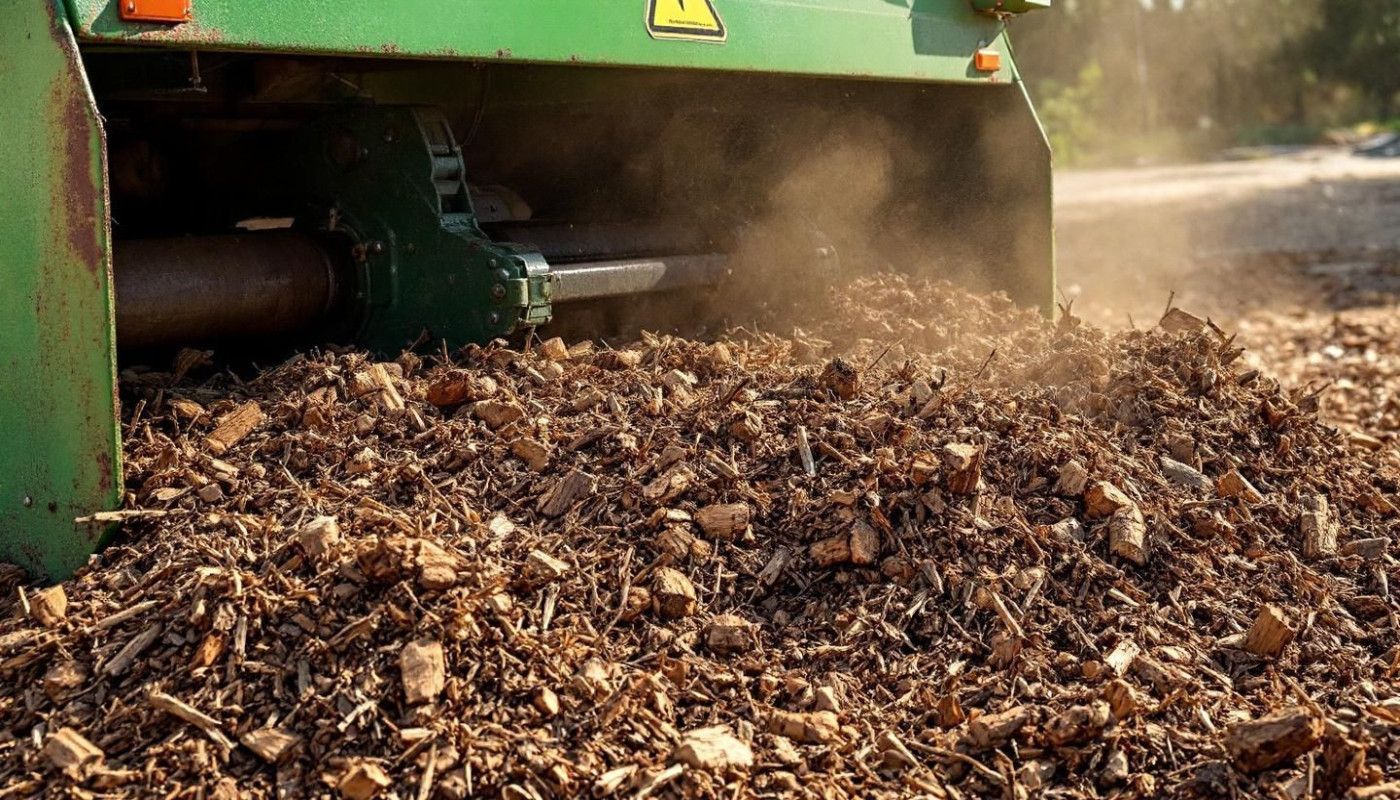
When selecting equipment for landscape management, understanding the output material produced by mulchers versus chippers is key. Mulchers are designed to reduce organic matter into fine, shredded particles that vary in particle size, creating a loose, homogenous mulch. This type of material is particularly suited for soil improvement, as the small particle size increases decomposition rates and enhances nutrient cycling within garden beds. The uniformity of mulched output is beneficial in suppressing weeds, retaining moisture, and improving soil texture, all of which are vital for healthy plant growth.
Chippers, on the other hand, generate larger, more angular wood chips, resulting in a broader particle size distribution. These chips are less suited for soil integration but excel as decorative mulch for pathways, around trees, or as accent material in landscape designs. The substantial size of chipped wood promotes longer-lasting coverage and helps prevent erosion, making it a preferred choice when durability and aesthetics are priorities. For those seeking practical advice or deeper insights into output material and its landscape uses, the read full article provides an extensive breakdown of how particle size affects both decorative mulch and functional applications: read full article.
Choosing the right tool for your needs
When considering landscape tool selection, the choice between a mulcher and a chipper hinges on several factors tied to specific property maintenance requirements. Property size directly affects equipment choice; for expansive areas with heavy tree cover, chippers excel at breaking down branches and thick wood, producing larger wood chips suitable for ground cover or composting. In contrast, mulchers handle softer, leafy debris and create fine mulch ideal for enriching garden beds. Assessing debris type is thus vital: if routine maintenance creates more woody waste, a chipper offers efficient landscaping, while a predominance of leaves and twigs aligns with a mulcher’s strengths.
Another significant consideration is throughput capacity, a technical term referring to the volume of material a machine can process within a specific timeframe. For large projects, high throughput capacity ensures swift, uninterrupted workflow, minimizing downtime during property maintenance and allowing teams to process vast quantities of debris efficiently. Smaller properties or gardens, producing less waste, generally benefit from equipment with moderate throughput, avoiding unnecessary bulk and expense. Matching throughput capacity to the scale and frequency of maintenance tasks guarantees both efficiency and cost-effectiveness in landscape tool selection, ultimately enhancing the overall landscape management process.
Maintenance and safety considerations
Effective equipment maintenance stands at the forefront of extending machine longevity for both mulchers and chippers. Conducting frequent blade inspection ensures that cutting elements remain sharp and undamaged, which not only optimizes performance but also reduces strain on the motor. Operators should regularly clear debris from moving parts, check for loose bolts, and lubricate bearings as part of a routine maintenance checklist. Proper operation techniques—such as feeding material at a steady pace and avoiding overloading—also contribute significantly to machine durability.
Vital safety tips include always wearing protective equipment like gloves, goggles, and hearing protection when handling these powerful machines. Familiarizing oneself with the manufacturer’s user manual bolsters safe usage and helps prevent accidents. Pay special attention to the risk of kickback, a sudden and forceful ejection of material that can occur if blades strike hard objects or if material is fed incorrectly. Kickback poses a severe threat, making it critical to stand clear of discharge areas and maintain a stable stance during use. Through diligent equipment maintenance, regular blade inspection, and adherence to safety protocols, operators can maximize both safety and the effectiveness of their landscape management efforts.
Similar

Unveiling the Secret World of Root Vegetables

Discover Unconventional Methods of Vertical Gardening
